
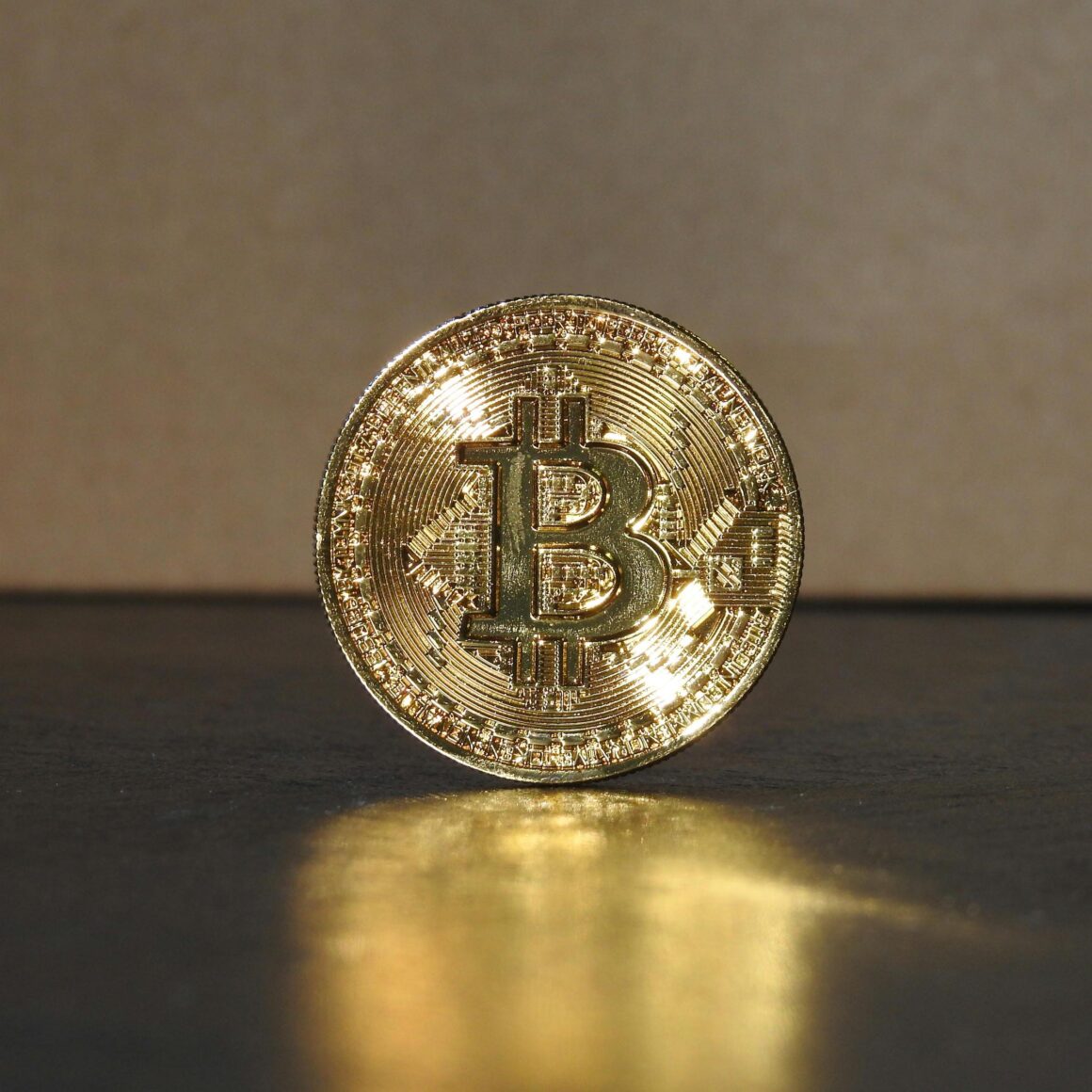
Crypto has moved from a specialist corner of finance into a market that many people now meet through apps and online ads. That growth has helped more people learn about Bitcoin and Ethereum, but it has also made the first purchase harder to judge. A beginner now faces more coins and more claims than a reader should be expected to sort.
Buying crypto can form part of a wider investment plan, but it needs care from the start. Prices can rise fast, fall hard, and test the patience of people who thought they had bought the future. The best first step involves less excitement than most adverts suggest: decide why you want exposure, then set a limit.
Choose the right place to buy
A crypto exchange gives buyers a place to deposit money and place an order. The better platforms serve two groups at once: experienced traders who want charts, and new buyers who need plain screens. A service like BitDelta crypto exchange can help experts and outsiders alike when it explains fees and account checks in terms people can act on.
Beginners should look at regulation and security controls before they look at coin choice. They should also read withdrawal rules before adding funds. In the UK, the FCA has said crypto firms will start applying for authorisation from September 2026 under the future regime. That matters because buyers need to know who runs a platform and where it operates.
Know what you are buying
Bitcoin remains the best-known crypto asset. It has a fixed supply cap of 21 million coins, and many buyers treat it as the reference point for the wider market. Ethereum works in a different way because its network supports smart contracts, which are programs that run on a blockchain. Stablecoins aim to track the value of another asset, often the US dollar, though buyers still need to check the issuer.
The number of listed crypto assets runs into the millions on major market data sites, which should make beginners cautious. A coin with a bright name can still have thin trading and weak records. A new buyer need not study every project. They need to understand the asset they buy, the reason it has value, and the risk that demand can fade.
Start with a small order
A first purchase should test the process before the buyer adds size. A small order shows how deposits work and how fees appear. It shows how prices move between the quote and the final trade. Market orders buy at the best available price at that moment. Limit orders set a chosen price, so they give the buyer more control.
Fees deserve close attention. A platform may charge for deposits and trades. It may charge withdrawals too. The headline trading fee may look low, yet the total cost can rise when a buyer moves assets off the platform. Keep a record of each transaction, including date and price. That habit helps with tax records and stops confusion later.
Keep custody simple
After purchase, a buyer must decide whether to keep crypto on an exchange or move it to a private wallet. An exchange account offers access and recovery support, but it also keeps the asset inside a third-party system. A private wallet gives the owner control through private keys, which function as the proof needed to move the asset.
That control carries a cost. Lose the private key or recovery phrase, and the asset may become unreachable. Store recovery details offline. Avoid screenshots. Test any new wallet with a small transfer first. This part of crypto rewards patience. It also punishes casual storage habits.
Avoid bad strategies
New buyers repeat common mistakes. They buy after a large price rise, then trade too much. Some chase coins because a social media account praised them. That approach turns research into guesswork. It also increases fees and tax records.
Scams add a harder risk. The US Federal Trade Commission said consumers reported more than $12.5 billion in fraud losses in 2024. Its Bitcoin ATM warning said reported losses topped $65 million in the first half of 2024. The median loss in those reports reached $10,000. Any request to send crypto to “unlock” a reward or protect an account deserves refusal.
Plan for tax and records
Crypto can create tax duties. HMRC guidance covers crypto assets for UK taxpayers, and the IRS says US taxpayers may need to report digital asset transactions. Selling or exchanging crypto can matter for tax. Receiving crypto can matter as well. Rules differ by country, so buyers should check local guidance before they trade often.
Good records do a plain job. Keep purchase price and sale price in one place. Record fees and dates as well. Wallet transfers need notes because they can look like sales in a poor record. Traders need stronger systems because frequent activity can create many taxable events. Long-term investors still need records because one sale years later can require proof of cost.
Build a measured habit
A beginner needs no grand theory of blockchain to buy crypto with care. They need a reason for buying and a spending limit. They also need a plan for storage. Leave alone products you cannot explain in a sentence.
Crypto can interest investors and traders for different reasons. It can also attract people who want to learn how blockchain networks work. Those are fair motives, but none removes the basic rule: buy less than you can afford to lose. Read before sending money. Keep records from the first day.