Prediction markets are no longer a niche corner of finance. As these platforms continue to grow, they’re attracting people from a variety of backgrounds, including experienced crypto traders. While cryptocurrencies and prediction markets serve different purposes, they share several characteristics that appeal to people who are comfortable making decisions in fast-moving, information-driven environments. As a result, more traders are beginning to see prediction markets as another way to engage with evolving financial opportunities, while expanding the range of markets they actively follow.
The Overlap Between Crypto Trading And Prediction Markets
Crypto traders are used to markets that can shift within minutes as new information becomes available. Whether it’s a major economic announcement, regulatory news or a change in market sentiment, prices often react very quickly. Prediction markets operate in a very similar way, with participants buying and selling contracts based on the likelihood of specific events occurring, rather than relying purely on speculation or instinct.
Instead of focusing on the future price of a digital asset, prediction markets center on real-world outcomes. These might include political elections, economic indicators, entertainment awards or major sporting events. In both cases, success often depends on interpreting information, recognizing trends and responding before the broader market fully adjusts to it.
The rapid growth of the industry shows this increasing interest. According to Sumsub, the global prediction market industry is projected to reach $240 billion in annual trading volume by the end of 2026. This shows just how quickly these platforms are becoming part of the wider financial landscape.
Why Prediction Markets Are Attracting Experienced Traders
One of the biggest attractions is the variety of events available to trade. Instead of concentrating on a single asset class, prediction markets allow participants to explore opportunities tied to politics, economics, business, technology and sports, giving them exposure to a much broader range of global events.
Major sporting events have become especially popular. Global competitions like the FIFA World Cup generate enormous interest, creating fast-moving markets that respond to team news, injuries and public sentiment as tournaments unfold. For traders who enjoy analyzing data and reacting to breaking developments, these events offer a different kind of challenge.
Experienced traders are often drawn to prediction markets because they offer:
- Clearly defined outcomes with specific settlement dates
- Opportunities linked to real-world events rather than asset prices alone
- Markets that react quickly to new information
- Another way to diversify their trading activity
The growth in participation has been significant. Driven largely by World Cup excitement, the combined monthly trading volume across Kalshi, Polymarket and Polymarket US reached $44.8 billion in June 2026. This shows just how much attention event-based markets are now receiving.
Technology Is Making Prediction Markets More Accessible
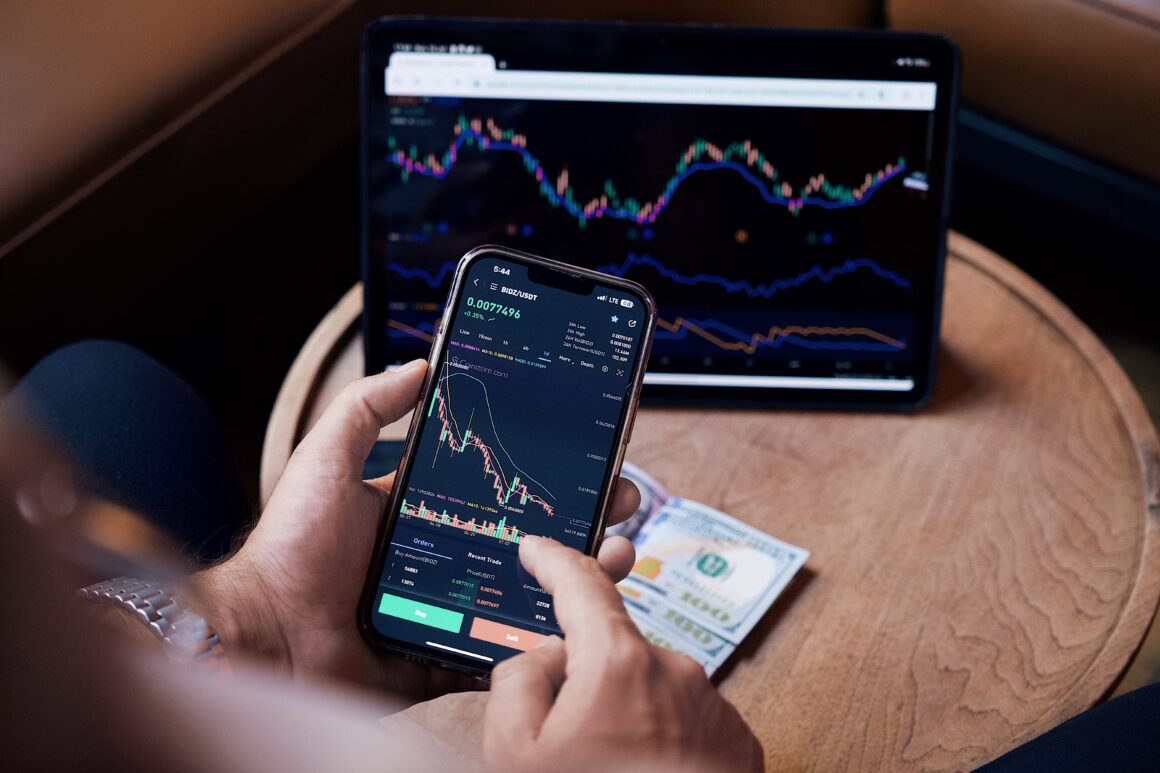
Technology has also played an important role in expanding prediction markets beyond their early adopters. Modern platforms are designed with intuitive interfaces, responsive mobile experiences and real-time pricing that make it easier for users to monitor events and react as new information emerges.
Many platforms now integrate live data feeds, interactive charts and analytical tools that help participants understand changing market conditions without needing extensive technical knowledge. Some traders also use AI-powered research tools to organize news, compare historical trends and identify developments that could influence market sentiment, helping them make more informed decisions over time.
This focus on usability has lowered the barrier to entry. While experience still matters, newcomers can access information and educational resources more easily than they could just a few years ago, making prediction markets feel less intimidating than they once did.
Choosing A Platform Matters
As interest continues to grow, selecting the right platform has become an important part of the process. Factors such as regulation, available markets, liquidity, fees and overall user experience can all influence how participants approach event trading.
Many people spend time researching different platforms before opening an account. Resources like Covers.com have become valuable because they provide expert analysis, betting insights and detailed guides that help readers compare platforms and understand how they work before getting involved. That additional research can help users choose a platform that best matches their goals and experience level.
For those looking at regulated prediction markets, learning what the latest Kalshi sign-up offer actually gets you can provide additional context alongside understanding the platform’s event contracts, available markets and overall user experience.
A Growing Part Of The Financial Conversation
Prediction markets are carving out a larger place within today’s digital economy. And it’s easy to see why they’re attracting crypto traders. Both environments reward people who stay informed, think critically, and adapt quickly as events unfold.
As technology continues to improve and participation increases, prediction markets are likely to remain an important complement to the broader financial industry. For many crypto traders, they’re not replacing digital assets; they’re simply becoming another market that’s worth watching.