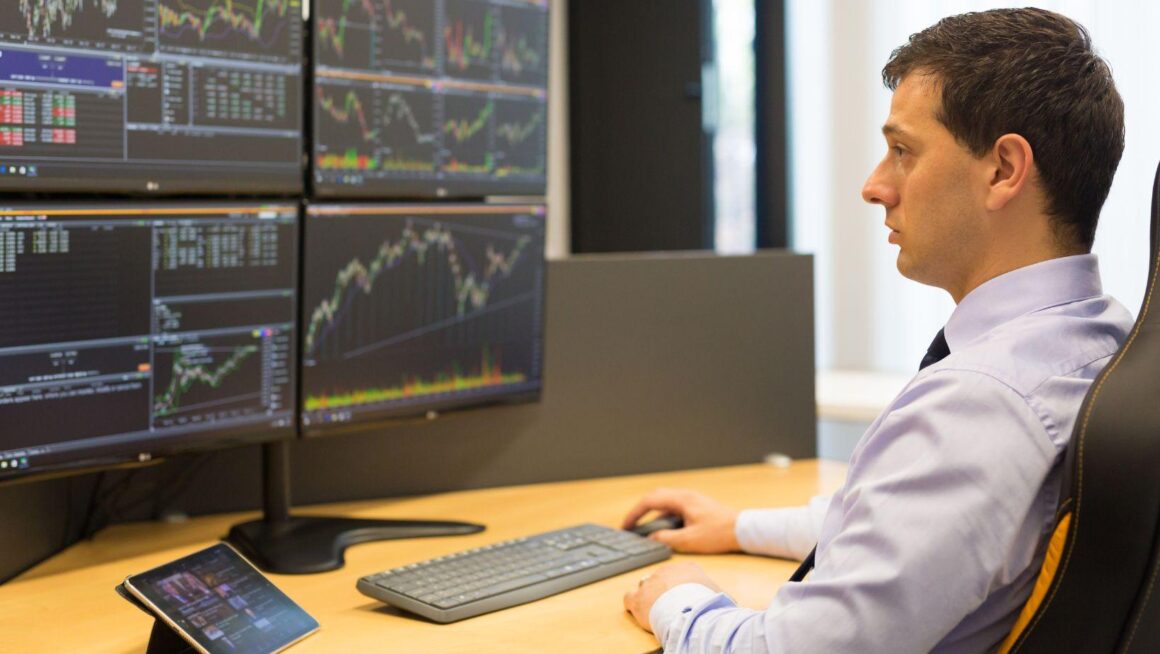
Responsible market access begins before a trader reaches the live order screen. Brokers can support better decisions by presenting product mechanics, costs, leverage risks, and platform controls clearly enough to review without pressure. These measures cannot replace personal discipline, but they can give traders the information and practice tools needed to judge whether they are ready to trade with real funds.
Risk Information Should Appear Before the Order
A responsible broker does not reserve its clearest warnings for a legal document that customers see after registration. Product pages and account materials should explain that CFDs use leverage, losses can develop quickly, and a stop order may not fill at the requested level during a gap. The information belongs close to the point where a trader chooses the product.
Presentation matters, but plain language matters more. A warning that uses technical terms without explaining their effect can satisfy a formal requirement while leaving a beginner confused. Traders should be able to connect margin, position size, and potential loss to a simple example. If they cannot, the broker’s education material has not yet prepared them for a live decision.
Product Details Need Enough Context to Set Limits
Instrument pages should show the facts a trader needs for planning: trading hours, contract size, minimum volume, margin treatment, and likely costs. The exact fields vary by market, but they should be easy to locate. A person comparing gold with a stock index should not have to assume that the same schedule or financing applies to both.
Current margin usage also needs to be visible inside the account. Traders should know where to find balance, equity, used margin, and available margin before they open a position. Those figures change as prices move. Learning how they interact in a demo is more useful than memorising a leverage ratio without seeing what it does to the account.
Platform Controls Should Support a Written Plan
Useful controls include order size fields that are easy to read, stop and limit options, price alerts, and account history that records changes. These tools cannot decide whether a trade is sensible. They help a trader carry out a decision that was made earlier. A confusing ticket can turn a manageable plan into the wrong volume or direction.
Someone researching vantage markets trading can review how one provider describes its platforms, instruments, and educational material. That review should be made beside other brokers and the formal terms for the trader’s region. The website is a starting point for checking available controls, not evidence that any particular strategy or account size is appropriate.
Demo Practice Should Include Bad Scenarios
Many people use a demo only to practise opening winning trades. A better exercise includes cancelling an order, reducing a position, moving a stop, and watching margin when the market moves the wrong way. Traders can also test what happens when several positions are open at once. Familiarity with these actions reduces hesitation when a live account is under pressure.
Demo results still need careful interpretation. Simulated funds do not create the same fear, and execution conditions may not reproduce every live situation. Responsible education should say this clearly. The demo is a place to learn mechanics and test a repeatable routine, not a performance certificate that justifies increasing risk.
Support Can Reinforce or Weaken Risk Awareness
Support staff should be able to direct customers to product specifications and account rules without presenting a trade as urgent. If a user asks about margin or financing, the answer should explain where the information is documented. Pressure to deposit more or act quickly is the opposite of risk awareness, especially when the customer has not resolved a basic account question.
Traders can test this before funding. Ask one precise question and note whether the response is specific, consistent with the website, and available in writing. A useful answer does not need to predict the market. It needs to help the customer understand the service and locate the terms that govern the account.
Account Controls Need a Personal Rule Behind Them
Some platforms offer settings that restrict deposits, reduce leverage, or pause account access. Their availability depends on the service and region. Where they exist, traders should understand how to activate them before a stressful period. External controls work best when they support a personal rule about maximum loss, trading hours, and when to stop.
The final responsibility remains with the trader. A broker can provide warnings, clear product data, practice tools, and responsive support, but it cannot choose a suitable risk level for someone it does not know. Live trading should begin only when the customer can explain the product, the account figures, and the action they will take if the position moves against them.
What Traders Should Expect From Themselves
Responsible access is not only a broker’s responsibility. Traders also need to slow down enough to read product information, understand margin, test the platform, and decide how much risk is acceptable before a live position is opened. The broker can make information available, but the trader has to use it.
A useful test is simple: before trading live, the trader should be able to explain what market they are trading, how the product works, what costs may apply, what could trigger a loss, and when they would stop. If those answers are vague, more preparation is needed.
Responsible market access only works when the trader accepts part of the responsibility. Broker information, platform tools, risk warnings, and demo access can slow the process down, but they cannot replace judgment. Before going live, the trader should know what product they are using, what costs may apply, how leverage changes exposure, and when to stop. If those answers are not clear, the useful decision is to keep practising and reviewing
A final readiness test is simple: describe the worst plausible account event and the response to it. If the answer depends on hope, an unknown platform setting, or money that has not been allocated, live trading should wait.