
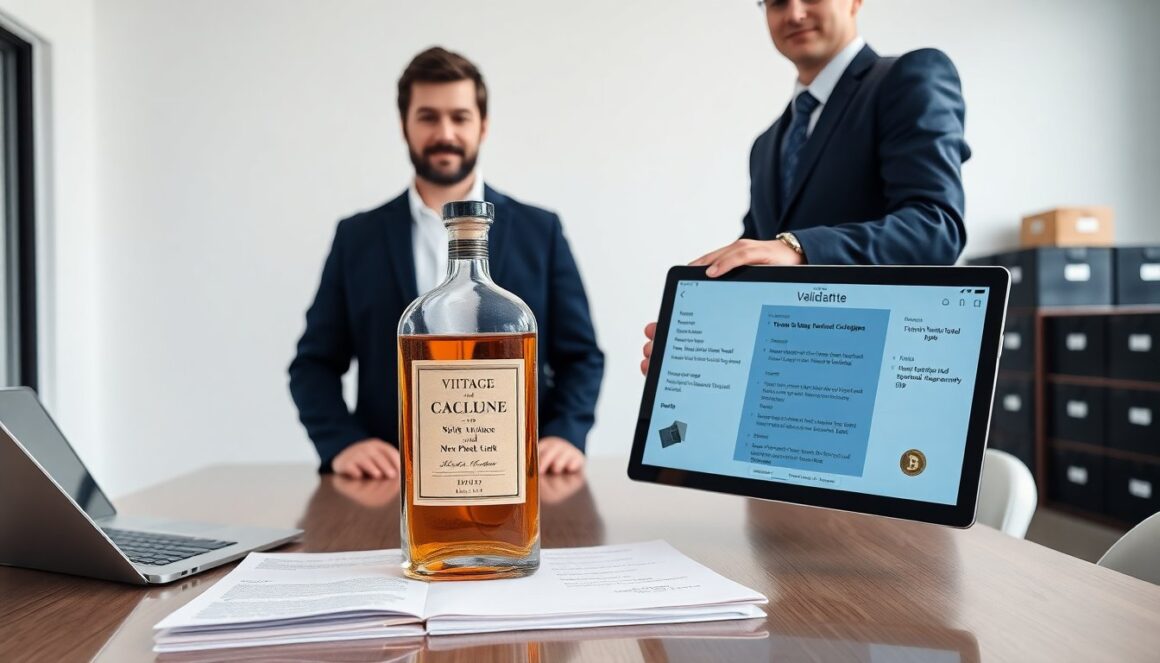
Collectors read about vintage cologne theblockchainbrief in many forums and newsletters. The phrase links scent collecting with new proof systems. The article shows how NFTs add clear provenance to bottles. The writing stays direct and simple. It explains why collectors value old scents, why fakes appear, and how theblockchainbrief uses tokens and contracts to prove ownership and history.
Key Takeaways
- Vintage cologne theblockchainbrief gains value from rarity, unique scent notes, and well-preserved condition, making provenance crucial for collectors.
- Fraud is common in vintage cologne, so authenticating bottles through detailed batch codes, lab tests, and expert validation is essential.
- Theblockchainbrief uses NFTs and smart contracts to provide immutable provenance records, linking vintage cologne bottles to verified history and ownership.
- The platform’s digital proof reduces disputes, speeds up transactions, and enhances trust for buyers, sellers, and insurers in the vintage cologne market.
- Practical steps include verifying bottles, consulting trusted validators, minting NFTs, listing on-chain, secure transfers, and updating token status after sale or use to protect authenticity.
- Collectors and sellers should maintain documentation, store cologne properly, and rely on theblockchainbrief’s system to confidently trade vintage cologne.
Why Vintage Cologne Commands A Premium: Rarity, Notes, And Condition
Collectors value vintage cologne theblockchainbrief for three main reasons. First, they prize rarity. Brands stopped some lines, and original batches run out. Second, they praise unique notes. Older formulas used ingredients that modern makers avoid. Third, they assess condition. Glass, label, cap, and liquid state affect price.
Collectors pay attention to batch codes and production dates. They read scent profiles and compare them to modern versions. They factor in storage history. A bottle kept in a cool, dark place holds its scent longer. A bottle exposed to heat or light loses top notes and becomes flat.
Buyers watch auction records and private sale reports. They track releases that collectors seek. They follow niche blogs and forums where people post photos and serial numbers. Theblockchainbrief appears in some listings as a tag or note. Sellers who attach clear documentation sell faster and at higher prices.
Common Authentication Challenges With Vintage Fragrance
Fraud affects the vintage cologne market. Fraudsters refill bottles, re-label containers, or forge boxes. Experts find altered labels and mismatched batch codes. They test liquid color and viscosity. They smell for missing top notes.
Authentication relies on scarce physical clues. Light exposure can change color and mislead graders. Wear on packaging can hide key markers. Paper labels absorb air and fade, and ink changes over decades. These facts make visual checks hard.
Laboratory testing helps. Labs analyze chemical profiles to match a sample to a reference. But labs charge fees that small collectors cannot afford. Auction houses offer provenance files, but those files sometimes lack original purchase receipts. The market needs clear, low-cost ways to link a bottle to a verified history.
This gap creates room for new solutions. Theblockchainbrief and similar services propose a digital link that ties a bottle to a record. They aim to reduce disputes and speed sales.
How The Blockchain Brief Uses NFTs And Smart Contracts To Prove Provenance
Theblockchainbrief issues an NFT that represents a specific vintage cologne. The NFT carries a timestamped record of ownership and documents. The record can include photos, batch numbers, lab reports, and original receipts. The NFT links that data to an immutable ledger. The ledger records transfers and sales.
Sellers create a digital file and mint an NFT through theblockchainbrief platform. The platform attaches metadata and a hashed record. The hash holds the file signature and the minting time. The platform stores high-resolution photos and lab results off-chain and links them to the token. Buyers inspect the token and the linked files before they buy.
Smart contracts automate transfers and guard conditions. The contract can release funds only after the buyer confirms the bottle and its papers. The contract can send a portion of resale profits to the original seller as a royalty. The contract can mark a token as “consumed” if the liquid is opened and altered. That mark prevents future buyers from treating the bottle as unopened.
The blockchain brief model reduces disputes. It gives buyers a clear trail from maker to current owner. It lets sellers show proof of chain of custody without mailing original paperwork. It makes provenance searchable and permanent. The system also helps insurers verify claims quickly.
Theblockchainbrief faces limits. It cannot stop physical fraud before minting. It depends on initial verification. It needs trusted validators to record accurate details. The platform builds a network of vetted appraisers and labs to sign minting records. Those human checks pair with the digital record to strengthen trust.
Practical Steps To Buy Or Sell Vintage Cologne Through On-Chain Marketplaces
Step 1: Verify the bottle. The seller inspects the bottle and records batch numbers and visible markers. The seller photographs the bottle from multiple angles. The seller notes storage history and any lab tests.
Step 2: Use a trusted validator. The seller sends the bottle or high-resolution images to a vetted appraiser or lab. The validator confirms authenticity and creates a report. The validator signs the report with a digital key.
Step 3: Mint an NFT. The seller uploads photos, the validator report, and receipts to theblockchainbrief. The platform hashes the files and mints an NFT. The platform stores links to off-chain documents and records the mint on-chain.
Step 4: List on an on-chain marketplace. The seller lists the NFT with a clear description and shipping terms. The listing shows validator details and any lab results. The listing also includes the suggested shipping and insurance steps.
Step 5: Transfer with safeguards. The smart contract holds funds in escrow and releases them after delivery confirmation. The buyer inspects the bottle and confirms match with the NFT data. The buyer approves the release, and the contract transfers funds to the seller.
Step 6: Record post-sale actions. If the buyer opens the bottle, they update the token status. The update prevents future buyers from assuming the bottle is unopened. If the buyer resells, the smart contract can enforce royalties to prior owners.
Buyers should check validator reputations and read past sales on theblockchainbrief. Sellers should keep original receipts and store bottles properly before transfer. Collectors who follow these steps reduce risk and increase confidence when they trade vintage cologne theblockchainbrief.