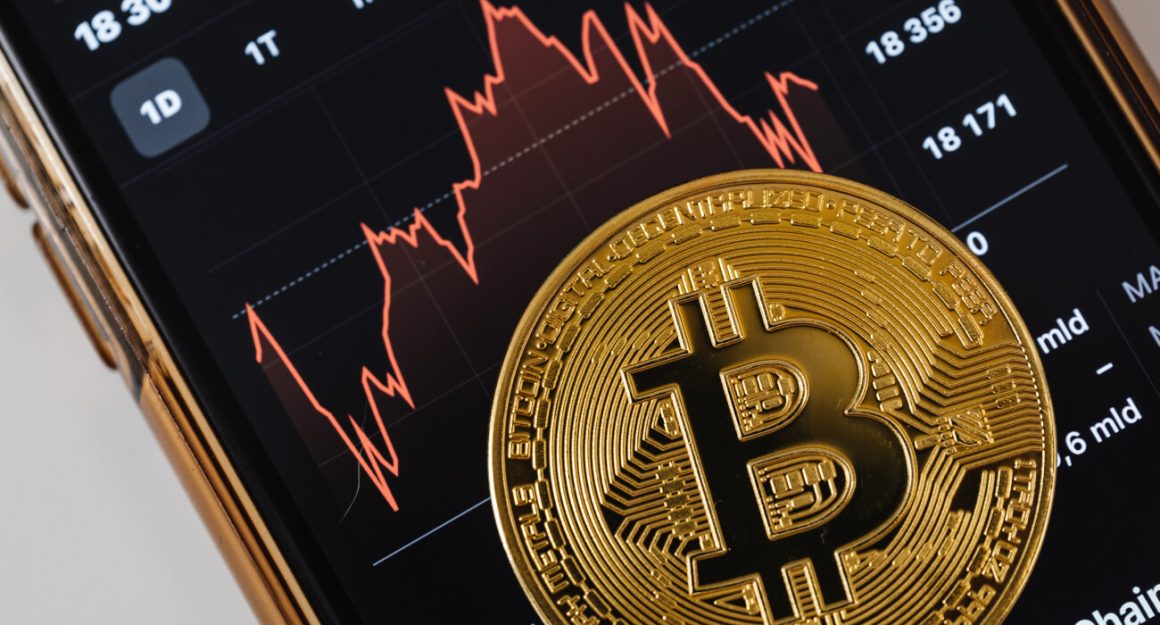

blockfolio analysis theblockchainbrief shows clear shifts in crypto holdings and flows in 2026. The report lists top-held assets, inflows, and sentiment signals across millions of portfolios. Analysts read chart patterns and alert behavior to find trends. This introduction sets context. It previews data, methods, and the key takeaways that follow.
Key Takeaways
- The blockfolio analysis theblockchainbrief reveals Bitcoin and Ethereum comprise nearly half of median portfolio values, emphasizing their core role in crypto investments.
- Buy volumes peak during U.S. and European market hours while sell volumes spike around major news events, highlighting optimal trading times.
- Users setting tiered alerts reduce emotional trading and better plan entries and exits, enhancing disciplined investment strategies.
- Combining sentiment signals with on-chain data like developer activity and staking ratios provides a clearer picture before adjusting allocations.
- A core-satellite portfolio approach, balancing stable assets with higher-risk positions informed by net flow data, optimizes risk and return.
- Risk management via stop-loss rules, alert enforcement, and regular portfolio reviews is key to improving long-term returns and controlling trading emotions.
Detailed Metrics — Holdings, Flows, And Market Sentiment
Holdings data in the blockfolio analysis theblockchainbrief broke portfolios into size cohorts. Small portfolios held 10 to 25 assets on average. Medium portfolios held 25 to 60 assets. Large portfolios held 60 or more assets. The report recorded median allocation to Bitcoin and Ethereum at nearly half of total portfolio value for the median portfolio.
Flow metrics tracked buy and sell volume by asset and time of day. Theblockchainbrief found that buys clustered around U.S. and European market hours. Sells increased during major news events. Net flows favored staking rewards and yield-bearing products. The report linked this trend to higher demand for passive yield within portfolios.
Market sentiment came from alert settings, watchlist additions, and in-app sentiment polls. Theblockchainbrief measured sentiment per asset and per cohort. It found that assets with active developer commits kept higher sentiment scores. Social-driven tickers showed wild sentiment swings. The report used simple moving averages to smooth sentiment and to avoid overreaction to spikes.
The blockfolio analysis theblockchainbrief included volatility breakdowns. It showed that assets with higher liquidity had lower intra-day volatility. It showed that newly listed tokens experienced quick spikes in interest followed by rapid decay in watchlist counts. The report recommended tracking developer and product milestones to predict longer-term sentiment resilience.
How To Read Blockfolio Charts, Alerts, And Sentiment Signals
Users view charts to see price action, volume, and simple indicators. Theblockchainbrief advised users to focus on volume spikes and divergence between price and volume. The report said that volume-backed moves tend to sustain longer than low-volume moves.
Alerts tell users when price crosses a threshold or when percent change reaches a set level. Theblockfolio analysis theblockchainbrief showed that users who set tiered alerts reduced emotional trading. Alerts let users plan entries and exits.
Sentiment signals in Blockfolio come from community votes and alert frequency. Users add assets to watchlists to track interest. Theblockfoliobrief recommended combining sentiment signals with on-chain data. Users should check developer activity, token burns, and staking ratios. They should use multiple signals before changing allocations.
Theblockfolio analysis theblockchainbrief stressed that charts, alerts, and sentiment work best when users define clear rules. The report gave sample rules. One rule said: set buy alerts 10% below current price for dip buys. Another rule said: set sell alerts at profit targets and trailing stops. These simple rules reduced impulsive trades for many users.
Implications For Traders, Investors, And Portfolio Strategy
Theblockchainbrief used blockfolio analysis theblockchainbrief to draw practical implications. Traders should monitor flow spikes and short-term sentiment to time entries. They should use alerts to capture momentum and to cut losses quickly. The report recommended shorter timeframes for high-frequency trades and longer frames for core holdings.
Investors should increase exposure to assets with steady developer activity and clear product milestones. Theblockfoliobrief found that these assets recovered sentiment faster after corrections. Investors should limit position size in highly social tokens and should rebalance regularly to control risk.
Portfolio strategy should include a core-satellite approach. Theblockfolio analysis theblockchainbrief suggested that a core of stable, liquid assets can reduce portfolio stress. Satellites can include higher-risk, higher-reward positions sized to total risk budget. The report advised using net flow data to decide when to scale satellite positions up or down.
Risk management made a clear appearance in the report. Theblockchainbrief suggested setting stop-loss rules and using alerts to enforce them. They recommended annual or semi-annual reviews of allocation targets. The report emphasized that users who followed simple rules improved long-term returns and reduced emotional trading.