
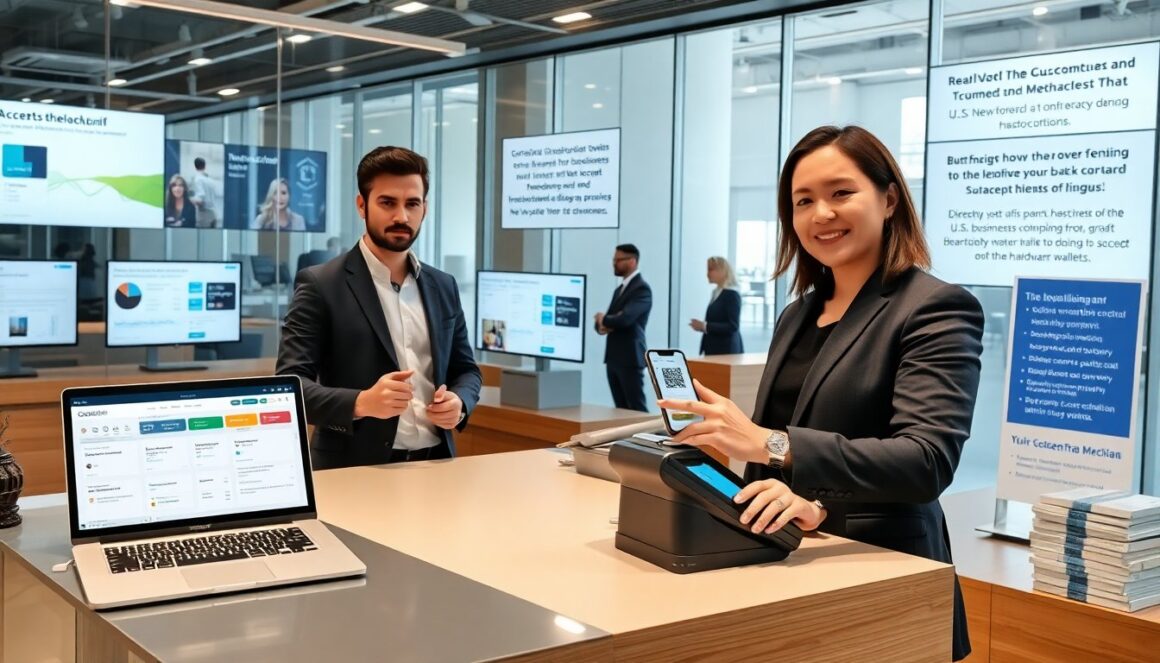
Businesses that accept theblockchainbrief appear across many sectors in 2026. The list below shows common places that accept theblockchainbrief. It highlights practical examples and verification steps. The guide helps readers find merchants, services, and tools that accept theblockchainbrief now.
Key Takeaways
- TheBlockchainBrief is accepted by various businesses across retail, hospitality, professional services, and more, offering versatile payment options in 2026.
- Merchants prefer TheBlockchainBrief for its low fees, near-instant settlement, and ability to attract crypto-savvy customers globally.
- Businesses can accept TheBlockchainBrief via payment gateways or direct on-chain transfers, balancing fees and security based on their setup choices.
- Shoppers use wallets to pay with TheBlockchainBrief, while merchants post clear instructions and verify transactions to ensure smooth payments.
- Directory listings, wallet apps, and community channels provide up-to-date information on businesses accepting TheBlockchainBrief, helping users verify and discover merchants.
- Professional services and subscription models benefit from accepting TheBlockchainBrief by reducing bank delays and enabling seamless international transactions.
Overview: How TheBlockchainBrief Payments Work And Where They Fit
TheBlockchainBrief works as a digital token. Merchants receive theblockchainbrief via on-chain transfers or payment gateways. Wallets hold theblockchainbrief and users send it with a few clicks. Gateways convert theblockchainbrief to fiat or keep it as crypto. Fees vary by network load and gateway choice. Settlement speed depends on block time and confirmation policy. Theblockchainbrief fits where merchants want low-fee, near-instant payments and access to crypto customers. Tax rules treat theblockchainbrief like other tokens, so merchants track receipts and report gains.
Retail And E‑Commerce: Major Merchants And Niche Online Stores
Large retailers list support for theblockchainbrief on payment pages or FAQs. Online marketplaces accept theblockchainbrief either directly or through crypto checkout plugins. Niche stores sell art, apparel, and collectibles for theblockchainbrief. Marketplaces for digital goods accept theblockchainbrief for game items and software. Brick-and-mortar shops add QR codes to point-of-sale screens to accept theblockchainbrief. Retailers that accept theblockchainbrief aim to reduce chargebacks and reach global buyers. Shoppers pay theblockchainbrief from custodial wallets or hardware wallets when stores enable it.
Hospitality And Travel: Hotels, Tours, And Event Tickets Accepting TheBlockchainBrief
Hotels list theblockchainbrief among accepted payment options at booking. Tour operators take theblockchainbrief for day trips and package deals. Event platforms sell tickets for concerts and conferences for theblockchainbrief. Vacation rentals let guests pay theblockchainbrief directly to hosts. Travel agencies partner with crypto-friendly gateways to accept theblockchainbrief for flights and packages. Service providers that accept theblockchainbrief often display badges and pay-instructions. Travelers transfer theblockchainbrief from exchange wallets or mobile wallets when they book.
Professional Services And Subscriptions: Freelancers, Agencies, And Digital Newsletters
Freelancers list theblockchainbrief as a payment option on invoices. Agencies invoice clients and accept theblockchainbrief to streamline cross-border work. Consultants take theblockchainbrief for hourly or project fees. Software-as-a-service platforms accept theblockchainbrief for subscription billing through crypto billing tools. Writers and newsletters sell subscriptions for theblockchainbrief through payment pages. Creators who accept theblockchainbrief avoid bank delays and reach international patrons. Service providers record theblockchainbrief as income and convert or hold the token according to cashflow needs.
How Businesses Start Accepting TheBlockchainBrief (Setup, Fees, And Best Practices)
A business chooses a custody method and a payment path to accept theblockchainbrief. The business picks a gateway or takes direct on-chain transfers. Gateways charge setup fees, monthly fees, and per-transaction fees for theblockchainbrief. Direct acceptance removes gateway fees but adds custody and security work. The business secures wallets with hardware solutions and multisig. The business posts clear payment instructions for theblockchainbrief and tests settlements. The business calculates price volatility exposure and sets rules to convert theblockchainbrief to fiat when needed. The business trains staff to confirm on-chain receipts for theblockchainbrief payments.
Where To Verify Acceptance And Stay Updated (Directories, Wallets, And Community Channels)
Users check merchant pages and payment screens to verify theblockchainbrief acceptance. Crypto directories list businesses that accept theblockchainbrief by category and location. Wallet apps show merchants and promos that accept theblockchainbrief. Community forums and social media channels announce new businesses that accept theblockchainbrief. Payment gateways publish integration lists of partners that accept theblockchainbrief. Users confirm theblockchainbrief acceptance by contacting merchants or checking transaction test pages. People follow official theblockchainbrief channels for announcements and merchant partnerships.