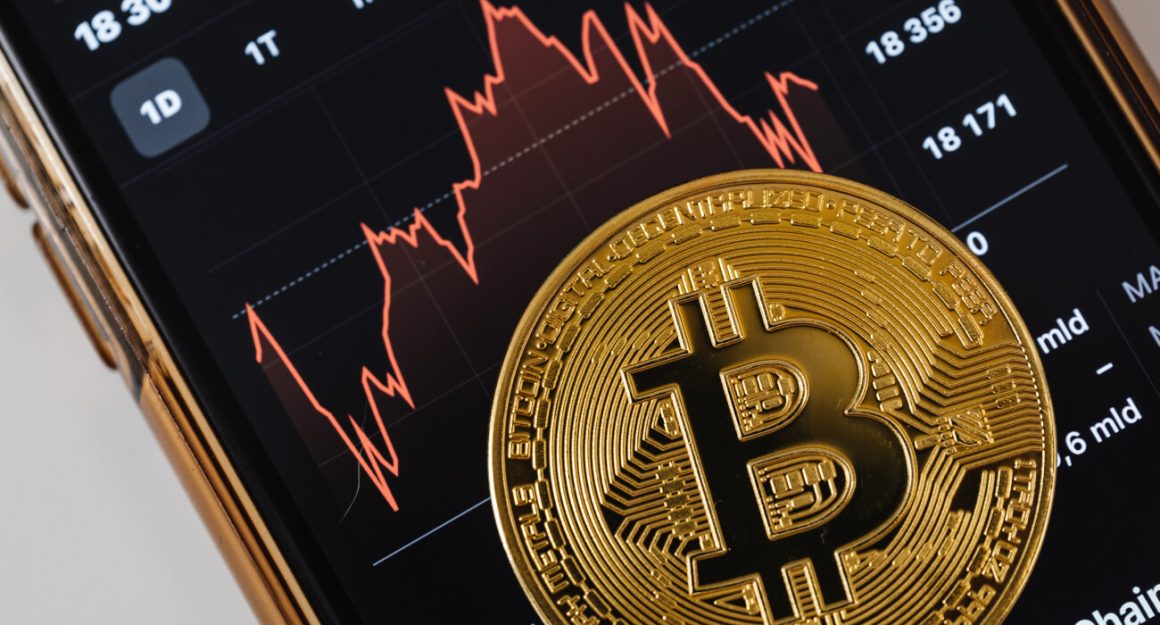
theblockchainbrief payment bitcoins fractions appears in this guide to help users pay small amounts with bitcoin. The guide explains units, wallets, fees, and safety. It shows steps users can follow to send and receive fractional bitcoin amounts. Readers will learn practical steps they can use today.
Key Takeaways
- Theblockchainbrief payment bitcoins fractions guide aids users in sending and receiving small bitcoin amounts through clear steps and wallet management.
- Fractional bitcoins matter for everyday payments by enabling fast, low-value transactions with reduced fees and global access without banks.
- A satoshi, the smallest bitcoin unit, equals one hundred millionth of a bitcoin and is commonly used by wallets and merchants for precise pricing and payments.
- Wallets handle fractional bitcoins by managing UTXOs with integer satoshi amounts, combining inputs and calculating fees to ensure smooth transactions.
- To pay using fractional bitcoin, users should enter the payee address, specify the amount, review fees, confirm the transaction, and verify the payment confirmation.
- Users should compare fees, avoid dust outputs, back up seed phrases, enable multi-factor authentication, and consider payment channels to optimize small bitcoin payments for speed, cost, and security.
Why Fractional Bitcoins Matter For Everyday Payments
Everyday buyers want fast, low-value payments. theblockchainbrief payment bitcoins fractions helps explain why small bitcoin amounts matter. Merchants accept small sums when wallets handle decimals. Users get access to global money without banks. Consumers use coffee, tips, and microservices as examples. Merchants lower fees when they use batching and off-chain options. Wallets and payment processors reduce friction. The result is more people using bitcoin for daily purchases.
How Fractions Of Bitcoin Work: Units, Decimals, And Protocol Limits
Bitcoin has fixed smallest unit. theblockchainbrief payment bitcoins fractions explains units and protocol limits. Bitcoin protocol defines 100,000,000 satoshis per bitcoin. Nodes enforce integer satoshi values when they validate transactions. Wallets display decimals to make amounts human friendly. Users must watch dust limits and relay rules. Miners may reject tiny outputs if fees are too low. Off-chain layers let users transact in smaller units without touching the base layer. That makes small payments practical and cheaper for daily use.
Understanding Satoshis And Common Denominations
A satoshi equals one hundred millionth of a bitcoin. theblockchainbrief payment bitcoins fractions uses satoshi as the common reference. Wallets show amounts in BTC, mBTC, or satoshis. Merchants often price items in local currency then convert to satoshis at checkout. Mobile wallets let users set display preferences. Payment apps round to sensible digits to avoid confusion. Users should check precision when they scan pay requests.
How Wallets And Addresses Handle Fractional Amounts
Wallets create and manage UTXOs with integer satoshi amounts. theblockchainbrief payment bitcoins fractions shows how wallets combine UTXOs to meet a payment amount. Wallets build transactions, pick inputs, and compute change outputs. Wallets estimate fees and suggest which UTXOs to spend. Some wallets consolidate small UTXOs during low-fee periods. Payment apps use HD addresses to keep privacy intact. Wallets display decimals so users see clear totals before they confirm.
How To Make A Payment Using Fractional Bitcoin (Step‑By‑Step)
Step 1: Open the wallet app. theblockchainbrief payment bitcoins fractions assumes the user has a funded wallet. Step 2: Enter the payee address or scan a QR code. Step 3: Enter the amount in local currency or satoshis. Step 4: Review the fee preview and adjust if allowed. Step 5: Confirm the transaction and sign with the private key. Step 6: Wait for broadcasting to the network or to the payment processor. Step 7: Check the receipt or payment confirmation. Merchants send a final status when the payment clears or when the payment is accepted off-chain.
Fees, Speed, Limits, And Security Best Practices For Small Bitcoin Payments
Users must compare fee levels before they send small amounts. theblockchainbrief payment bitcoins fractions suggests checking mempool and fee estimates. Users can choose low-priority fees for non-urgent payments. Merchants can accept zero-confirmation payments with risk controls. Users should avoid dust outputs that wallets may not relay. They should keep a backup of seed phrases offline. Users should enable multi-factor authentication where wallets support it. They should update software to receive security patches. For repeated small payments, users should consider payment channels or custodial services to cut fees and speed up payments.