Introduction
Online slot gacor is increasingly being recognized not only as entertainment but also as a potential educational tool. While it is often associated with leisure and competition, many modern games naturally develop skills that are valuable in academic, professional, and real-world environments.
As digital learning continues to expand, online gaming is beginning to play a supportive role in how people understand concepts, solve problems, and engage with interactive content.
The Connection Between Gaming and Learning
Online games are built on systems that require players to think, adapt, and respond. These core mechanics closely resemble learning processes such as experimentation, feedback, and improvement.
Players often learn through:
- Trial and error
- Repetition and practice
- Observation and adaptation
- Goal-based progression
This makes gaming a naturally interactive learning environment.
How Online Games Develop Cognitive Skills
Problem-Solving Abilities
Many games require players to solve puzzles, overcome obstacles, or complete complex objectives using logical thinking.
Critical Thinking
Players must analyze situations quickly and choose the best possible action under pressure.
Memory Enhancement
Games often involve remembering maps, strategies, patterns, and sequences.
Attention and Focus
Fast-paced environments train players to maintain focus over extended periods.
Strategy and Decision-Making in Games
Planning Ahead
Strategy games encourage long-term thinking and resource management.
Risk Evaluation
Players learn to assess risks before making decisions in competitive environments.
Real-Time Decision Making
Many online games require fast responses that improve decision speed and accuracy.
Educational Value of Multiplayer Games
Team Collaboration
Multiplayer games teach cooperation and coordination among group members.
Communication Skills
Players must clearly share information and instructions with teammates.
Leadership Development
Some players naturally take leadership roles in organizing team strategies.
Social Learning
Players learn from each other through observation and interaction.
Gamification in Modern Education
Gamification refers to applying game-like elements in educational systems. Online gaming has influenced this concept significantly.
Reward Systems
Points, badges, and levels are used to motivate learners.
Progress Tracking
Students can see measurable improvement over time.
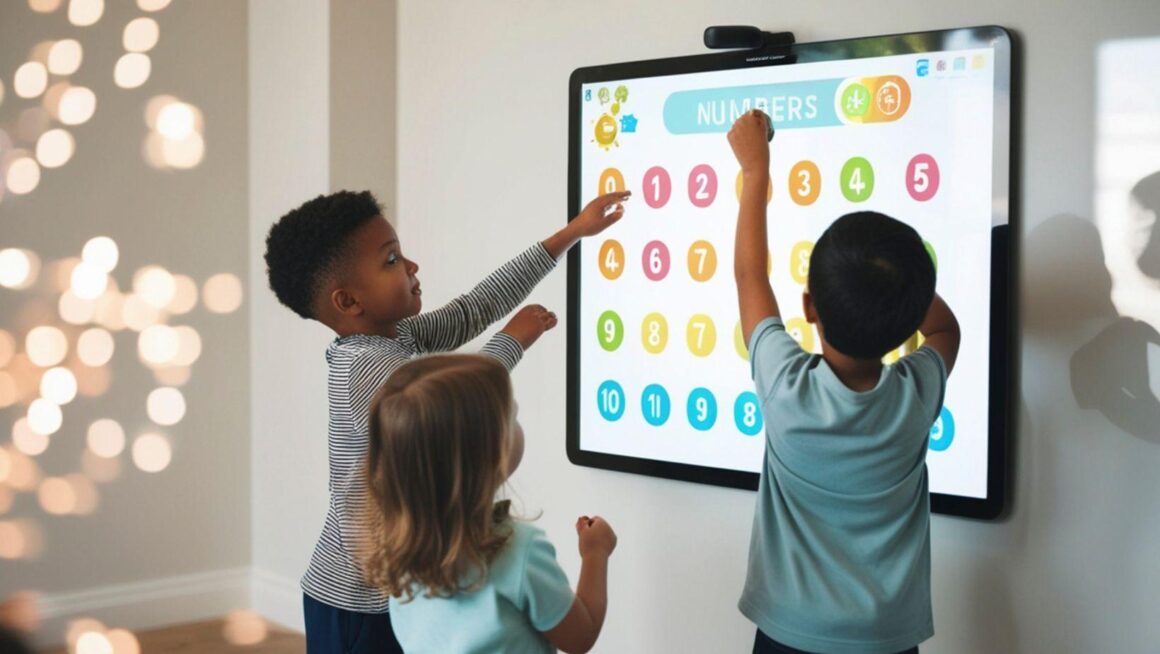
Interactive Learning
Educational content becomes more engaging through game-like mechanics.
Simulation Games as Learning Tools
Simulation-based games closely replicate real-world systems and can support practical learning.
Examples include:
- City-building simulations for urban planning concepts
- Business simulations for economic understanding
- Flight simulators for aviation training
- Life simulations for decision-making practice
These experiences allow learners to practice skills in a safe environment.
Language and Communication Skills
Online gaming can also support language development.
Real-Time Communication
Players often communicate in English or other global languages during gameplay.
Vocabulary Expansion
Exposure to gaming terminology and communication improves language skills.
Cultural Exchange
Interaction with international players helps learners understand different cultures.
Benefits of Game-Based Learning
Increased Engagement
Interactive environments keep learners motivated and interested.
Active Participation
Players learn by doing rather than just observing.
Immediate Feedback
Games provide instant responses to actions, helping learners correct mistakes quickly.
Motivation Through Progress
Achievement systems encourage continued learning and improvement.
Challenges of Using Games for Education
Distraction Risk
Games can sometimes shift focus away from learning objectives if not structured properly.
Overuse Concerns
Excessive gaming may interfere with academic responsibilities.
Content Suitability
Not all games are designed with educational value in mind.
Balance Requirement
Proper balance is needed between entertainment and learning outcomes.
The Role of Educators and Parents
Guided Usage
Teachers and parents can help direct gaming toward educational goals.
Structured Learning Environments
Integrating games into lesson plans can improve engagement.
Monitoring Progress
Tracking learning outcomes ensures educational effectiveness.
The Future of Educational Gaming
The future of online slot in education is expected to grow significantly with advancements in technology.
AI-Powered Learning Games
Artificial intelligence can personalize learning experiences for each player.
Virtual Classrooms
Gaming environments may evolve into interactive digital classrooms.
Immersive VR Learning
Virtual reality will allow students to experience subjects in 3D environments.
Adaptive Learning Systems
Games may adjust difficulty based on student performance.
Conclusion
Online gaming is gradually becoming a valuable tool in education and skill development. While it remains a major source of entertainment, its potential for interactive learning is increasingly being recognized.
With proper balance and thoughtful design, online gaming can support education by making learning more engaging, practical, and accessible in the digital age.