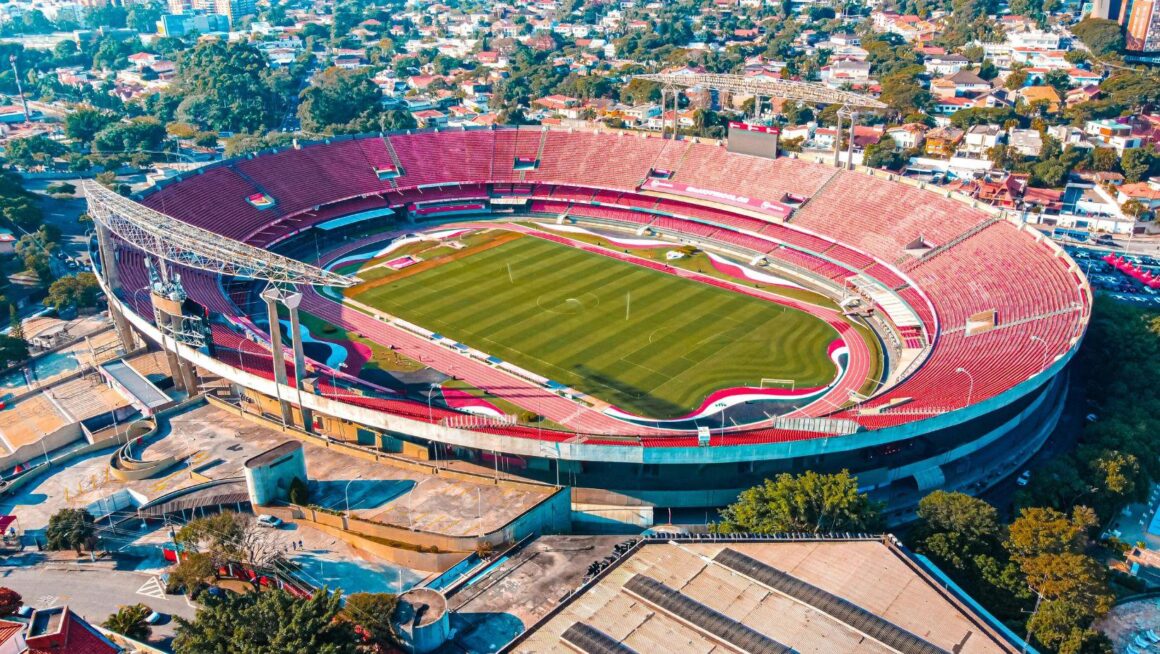
Australian stadiums are no longer built purely for matchday crowds. Venue operators from Sydney to Wollongong are rethinking these assets as year-round destinations, blending sport with concerts, dining, hospitality and, increasingly, accommodation. The shift reflects a broader push to keep gates open and turnstiles active well beyond the traditional footy or cricket calendar.
This transformation is as much about economics as it is about design. Operators are discovering that a stadium sitting idle for six days a week represents wasted potential, and the fix lies in surrounding infrastructure that gives fans reasons to visit outside of fixture days.
Stadiums Expanding Beyond Matchday Sports Use
Venues NSW's portfolio illustrates how far this shift has progressed. Stadiums including Accor Stadium, Allianz Stadium, CommBank Stadium and regional venues like WIN Stadium now host functions, filming, tours and community events on top of sport and concerts, activity that keeps precincts busy most days of the week.
The scale is significant. Venues NSW reports that its network hosts around 500 major events and draws more than five million patrons annually, a base of demand that supports far more than just sporting fixtures. That level of year-round activity is precisely what justifies investment in surrounding retail, hospitality and leisure infrastructure.
Retail, Dining And Leisure Precinct Additions
Adelaide Oval remains the benchmark for this model. Its Riverbank Precinct links the ground directly to the CBD and main railway station, while the 138-room Oval Hotel built into the stadium structure enables dining, accommodation and tourism activity long after the final siren. That integration helps the venue host more than 60 events annually across sport, concerts and cultural programming.
As these precincts diversify, they increasingly resemble broader entertainment districts rather than single-purpose grounds. Fans browsing leisure options around a big event weekend stream match previews and post-game analysis on demand between sessions. Digital ticketing apps surface nearby events, restaurant bookings and retail pop-ups in a single interface. For those looking to fill downtime between fixtures, our top picks of AU pokies with instant account access and a broad game selection sit naturally within the same entertainment ecosystem that modern stadium precincts are designed around.
According to a recent property analysis, stadiums are increasingly assessed as anchors for mixed-use districts, with walkability, transport and hospitality now central to commercial performance.
Fan Amenities Driving Attendance And Spend
Attendance data backs up the precinct thesis. The live performance sector generated $3.1 billion in ticket sales and 30.1 million attendances in 2023, according to industry attendance figures, with stadium-scale concerts playing a major role in that record result. Operators are responding by prioritising dwell time, food and beverage quality, and circulation design that keeps fans on-site longer.
Global rankings reinforce the commercial upside. Sydney's Accor Stadium grossed roughly US$69.3 million across eight shows in the past year, while Melbourne's Marvel Stadium generated around US$92 million from 13 shows, figures highlighted in a mid-year concert revenue report. These numbers show non-sport programming has become a genuine revenue pillar rather than a side note.
Precinct Model Set To Reshape Venue Planning
Policy is now catching up with this trend. NSW legislation passed in 2025 allows residential and visitor accommodation on land managed by Venues NSW, unlocking hotel and housing development around stadiums such as CommBank Stadium in Parramatta and the planned Hunter Park precinct in Newcastle. A separate $17 million plan for the Wollongong sports and entertainment precinct is expected to enable up to 150 events annually and generate roughly $550 million in additional economic activity.
These moves suggest the precinct model is becoming the default approach for new and redeveloped venues nationwide. Stadiums that once sat dormant between fixtures are being reimagined as everyday urban destinations, and the operators who embrace that shift look set to capture the biggest share of Australia's growing appetite for live entertainment.