
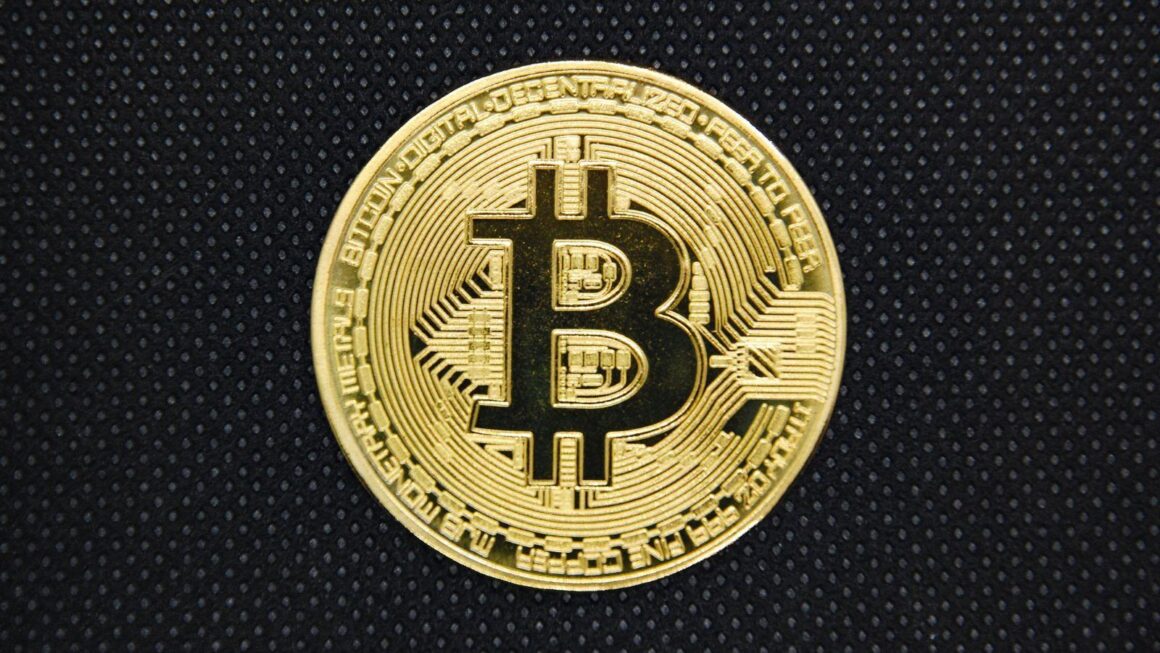
Bitcoin remains the asset that most traders watch first when trying to understand where the wider crypto market may be heading. Even as digital assets have expanded into stablecoins, tokenization, DeFi, and blockchain infrastructure, Bitcoin still carries the strongest market signal. When Bitcoin moves sharply, the rest of the market often reacts. That is why platforms such as CEX.IO are part of a wider trading conversation in 2026: not only because people follow Bitcoin’s price, but because they are trying to understand what its next major move could mean for the whole digital asset sector.
The question traders are asking is not simply whether Bitcoin will go up or down. They are watching for confirmation. Is the market building strength after a period of consolidation? Is demand coming from long-term holders, institutional participants, or short-term speculation? Are macroeconomic conditions helping risk assets, or keeping traders cautious? Bitcoin’s next move will likely depend on how these signals come together.
The Market Is Waiting for Direction
One reason Bitcoin can feel difficult to read in 2026 is that traders are not only reacting to price. They are reacting to the story behind the price. A sudden rally may look strong on the surface, but if trading volume is weak, liquidity is thin, or the move is driven mostly by leverage, experienced traders may hesitate before calling it a true breakout.
This is why consolidation matters. When Bitcoin trades within a range for an extended period, it can create frustration, but it can also build the conditions for a larger move. Traders watch support and resistance levels, volume, funding rates, and market sentiment to understand whether buyers or sellers are gaining control. A clean break above a major resistance zone can encourage momentum traders. A failure at the same level can invite profit-taking and short-term selling.
Macroeconomic Conditions Still Matter
Bitcoin may be a crypto asset, but it does not trade in isolation. In 2026, traders continue to watch interest rates, inflation data, employment numbers, central bank policy, and liquidity conditions. When borrowing costs are high or investors expect tighter financial conditions, risk assets can struggle. When markets expect rate cuts or easier liquidity, appetite for growth assets often improves.
This does not mean Bitcoin behaves exactly like stocks. Its supply schedule, halving cycle, and crypto-native demand make it different. Still, large investors often think in terms of risk. If broader markets are nervous, Bitcoin may face pressure even when its long-term narrative remains strong. If liquidity improves, traders may become more willing to add exposure.
Traders Are Watching Institutional Demand
Another major factor is institutional participation. Over the last few years, Bitcoin has become more accessible to professional investors through regulated products, custody services, and improved market infrastructure. This has changed how traders interpret demand. Instead of only watching retail activity, they now pay close attention to fund flows, large wallet movements, derivatives activity, and corporate or institutional interest.
Institutional demand can support Bitcoin because it often represents larger pools of capital. However, it can also make the market more sensitive to traditional finance conditions. If professional investors reduce risk exposure, Bitcoin may feel that pressure. If they continue allocating to digital assets, it can strengthen the case for a longer-term move higher.
The Post-Halving Effect Is Still Being Debated
Bitcoin’s halving cycle remains one of the most discussed topics among traders. Historically, halvings have reduced the rate of new Bitcoin issuance, and past cycles have been followed by major bull markets. However, traders in 2026 are more cautious about assuming history will repeat in the same way.
Markets mature. Information gets priced in earlier. Institutional products change access. Liquidity conditions vary from cycle to cycle. Because of this, many traders are less interested in the halving as a simple price trigger and more interested in how reduced supply interacts with demand. If demand grows while new issuance stays limited, the supply-demand argument becomes stronger. If demand weakens, the halving narrative alone may not be enough.
Leverage Can Decide the Short-Term Move
In the short term, derivatives markets can have a major influence on Bitcoin’s price. Futures, perpetual contracts, funding rates, and liquidations often help explain sudden moves. When too many traders are positioned in one direction, the market can move sharply in the opposite direction as liquidations force positions to close.
This is why traders watch leverage closely. A rally supported by steady spot demand can look healthier than one driven by aggressive leveraged longs. A sell-off caused by overextended leverage may be painful but temporary if underlying demand remains strong. Understanding the difference can help traders avoid reading every sharp move as a lasting trend.
Regulation Remains a Key Variable
Regulation is another area traders are watching in 2026. Clearer rules can help serious businesses build products, attract institutional capital, and improve consumer protections. Unclear or restrictive rules can create uncertainty, reduce market access, or push activity into less transparent areas.
For Bitcoin, regulation matters in several ways. It can influence exchange access, custody standards, fund products, tax treatment, payment use cases, and institutional comfort. Traders do not need every country to take the same approach, but they generally prefer clarity. Markets can adapt to strict rules more easily than unpredictable ones.
Sentiment Can Change Quickly
Data shape Bitcoin’s price, but sentiment still plays a major role. During bullish periods, traders focus on adoption, scarcity, and institutional interest. During bearish periods, the same market may focus on regulatory pressures, hacks, macro pressures, or profit-taking. The asset may not change, but the story around it does.
This is why experienced traders avoid relying only on headlines. A positive headline does not always lead to a lasting rally, and a negative headline does not always create a deeper decline. What matters is whether the news changes actual demand, liquidity, market structure, or long-term confidence.
What Comes Next?
Bitcoin’s next move in 2026 will likely depend on several forces working together: macro conditions, institutional demand, post-halving supply dynamics, leverage, regulation, and trader sentiment. No single factor controls the market on its own. A strong breakout may require improving liquidity, steady demand, and confidence that major resistance levels can turn into support.
For traders, patience may be as important as prediction. Bitcoin often moves before the market feels fully ready, but false starts are common. The key is not to guess every short-term candle. It is to understand what the market is waiting for, what would confirm strength, and what could invalidate the bullish case.
Bitcoin remains the center of the crypto market, but its next major move will not occur in a vacuum. It will reflect how traders interpret the broader financial environment, how much conviction buyers have, and whether the market sees Bitcoin as a speculative asset, a long-term store of value, or both.